

Decoding the SIM Card: From Basics to eSIM Evolution
In the ever-evolving world of mobile technology, one small component has remained constant for decades—the Subscriber Identity Module, better known as the SIM card. While this tiny chip has been integral to mobile communication for years, it is now on the verge of a significant transformation with the advent of the eSIM. But what exactly is a SIM card, how does it work, and how is the rise of eSIM changing the mobile landscape? Let’s dive in.
What is a SIM card?
At its core, a SIM card is a small, removable chip found in most mobile phones. This card allows devices to connect to mobile networks, enabling users to make calls, send texts, and access the internet. The SIM card stores essential information, including the International Mobile Subscriber Identity (IMSI), a unique identifier for each user, and encryption keys that secure communication with mobile networks.
A SIM card can be thought of as the key to your mobile identity. Just as a key gives you access to a physical space, a SIM card provides access to mobile services by authenticating you to the network of your mobile service provider. Without this key, your mobile phone would be just a standalone device with no connectivity.
How does a SIM card work?
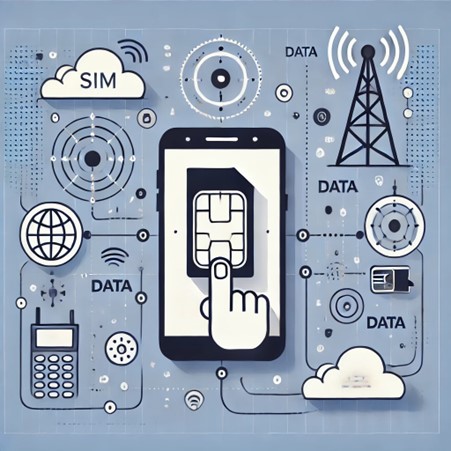
When inserted into a mobile phone, the SIM card communicates with nearby cell towers and establishes a connection to your mobile network provider. This connection enables you to access services like calling, texting, and mobile data. SIM cards store small amounts of data, such as your IMSI and network credentials, that allow your phone to authenticate with the provider’s network. Essentially, it says, “This is who I am, and I belong to this network.”
The SIM card also plays a role in security, encrypting communications between your phone and the network to protect against unauthorized access. It acts as a mediator between your phone and the mobile network, ensuring that your calls, messages, and data transactions are secure and correctly billed to your account.
Why do mobile phones need SIM cards?
Without a SIM card, most mobile phones would be unable to connect to cellular networks. While smartphones can connect to Wi-Fi, cellular services like calls, texts, and data plans are enabled only through SIM cards. This little chip links your device to a mobile network provider and assigns you a phone number and data plan.
In a broader sense, SIM cards offer more than just connectivity. They allow users to switch between devices without changing numbers by simply inserting the card into a different phone. This flexibility is one of the reasons SIM cards have been a staple of mobile technology for so long. As the mobile landscape evolves, the SIM card’s functions are gradually shifting toward software-based solutions, like the eSIM, which promises even more convenience.
Regular SIM vs. eSIM
As mobile technology continues to progress, so do SIM cards. The transition from traditional physical SIM cards to embedded SIMs, or eSIMs, is reshaping how mobile connectivity works. So, what’s the difference?
Physical SIM Cards:
- Physical Format: These are the SIM cards most people are familiar with—the tiny removable chip you insert into your phone.
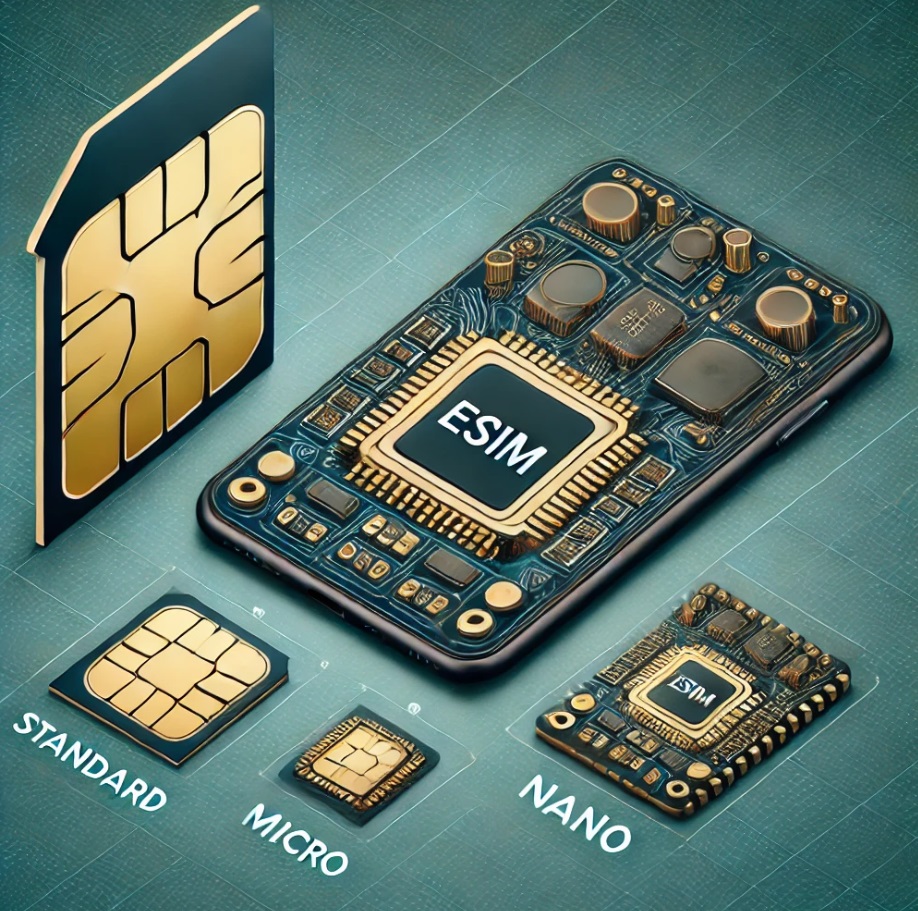
- Sizes: SIM cards have evolved over the years from standard SIMs to smaller versions like micro SIM and nano SIM, but they all perform the same function.
- User Control: Physical SIMs allow easy swapping between devices. You can remove a SIM card from one phone and place it into another to transfer your network connection.
eSIMs:
- Embedded Technology: An eSIM (embedded SIM) is a programmable SIM card that’s built into the phone itself. Instead of being a removable chip, the eSIM is soldered onto the device’s motherboard.
- No Need for a Physical Card: With eSIM, you no longer need to physically insert or remove a card to switch networks or phones. You can switch carriers by downloading a new eSIM profile directly to the device.
- Smaller Devices: Because eSIMs don’t require a physical slot, they save space inside devices, allowing for slimmer phones or additional hardware features. This is one reason eSIM technology is favored for wearables like smartwatches.
Advantages of eSIMs:
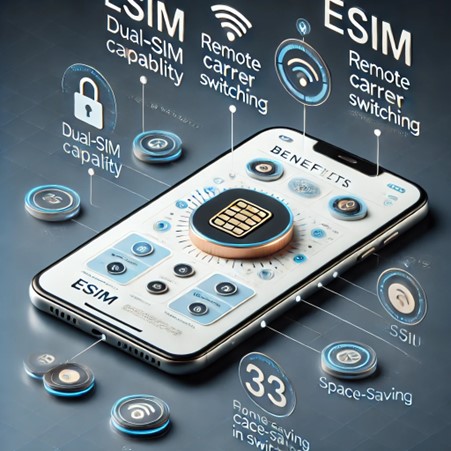
- Convenience: Switching carriers or activating a new plan can be done digitally without waiting for a new SIM card to be delivered.
- Dual-SIM Functionality: Many smartphones with eSIMs also support dual-SIM capabilities, allowing users to maintain two separate numbers on the same device.
- Enhanced Security: Since eSIMs are embedded, they can’t be physically removed, offering an extra layer of security in case your phone is lost or stolen.
The Future of SIM Technology
As eSIM adoption continues to grow, the future of SIM technology looks more flexible and streamlined. Companies like Apple, Google, and Samsung are already integrating eSIM technology into their devices, and more carriers are supporting this shift globally.
This transition has the potential to make switching networks and traveling internationally easier. Instead of physically swapping SIM cards when moving between countries or carriers, users will be able to simply download a new carrier profile directly onto their devices. The convenience of eSIMs makes them an exciting development for the future of mobile communication.
Frequently Asked Questions (FAQs)
Are all SIM cards the same size?
No, SIM cards come in three sizes: standard SIM, micro SIM, and nano SIM. Most modern smartphones use nano SIMs, which are the smallest.
How can I transfer data from one SIM card to another?
Typically, SIM cards store only limited data like contacts or text messages. You can transfer this data manually or use cloud-based services or apps for more complex data transfers between devices.
Why do mobile phones need SIM cards?
SIM cards authenticate your phone with a mobile network, enabling services like calls, texts, and mobile data. They essentially connect your phone to the outside world.
Can I use my SIM card in another phone?
Yes, as long as the phone is unlocked and compatible with the carrier, you can swap your SIM card into another device and retain your mobile number and service plan.
What is the difference between a SIM card and an SD card?
A SIM card connects your phone to the mobile network and stores network-related information, while an SD card is used for expanding your phone’s storage capacity to hold files like photos, music, and apps.
How do I activate a new SIM card?
Activation typically involves inserting the SIM card into your phone and following the network provider’s instructions, which might include calling a number, visiting a website, or downloading a carrier-specific app.
The SIM card has been a critical component of mobile phones for decades, evolving from a simple, removable chip to the highly sophisticated eSIM technology of today. As mobile devices become smaller and smarter, the eSIM offers a glimpse into a more connected and flexible future. Understanding these tiny but essential tools helps demystify how our phones keep us connected, no matter where we are in the world.